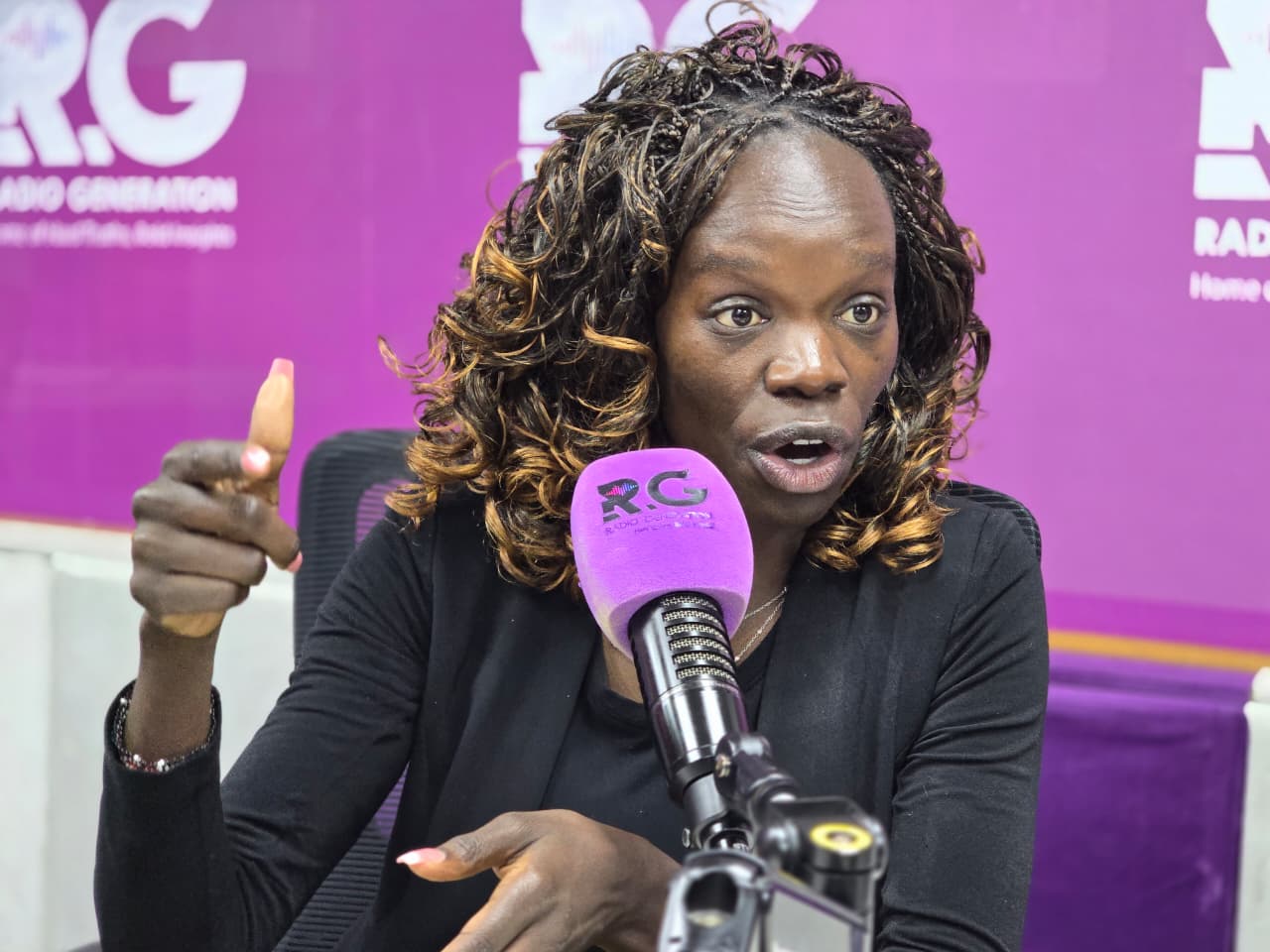
Minnesota Representative Huldah Momanyi has called for greater civic involvement across the United States, saying democracy works best when citizens actively take part in every stage of the political process.
Speaking during an interview on Radio Generation on Wednesday, Momanyi noted that although many Americans value their right to vote, a large number still stay away from the polls.
“Most Americans take elections seriously, but in the last election, about 22 million people did not vote,” she said, adding that participation depends on how well candidates connect with their communities.
“Public participation really comes down to engagement between candidates and the people they seek to represent.”
Momanyi explained that elections in the U.S. are a long process that begins months before the general vote in November.
“The process starts back in February with caucuses where neighbors meet and choose delegates. Later, around March to May, parties hold conventions to endorse their preferred candidates, followed by the primaries in August and the general election in November,” she explained.
She said various organizations invest heavily in civic education to ensure that every eligible citizen understands their right to vote.
“We have many groups whose main goal is to teach people about voting and the importance of making their voices heard,” she said.
Momanyi said her personal motivation for joining politics was to raise awareness among African immigrants about their stake in public affairs.
“For a long time, our people have focused on three things—school, church, and work—without realizing that they also have a say in the policies shaping their lives,” she said.
She urged immigrants to change their mindset and participate more in decision-making processes. “We’re not returning to the continent as we once believed. We have families, investments, and lives here, and that means we must take part in civic and political life,” she said.
On her legislative work, Momanyi said community input is central to the bills she authors. “Many of the 27 bills I wrote came directly from the people I represent,” she said. “They are very vocal, and if they feel ignored, they will protest, come to your office, and make sure you hear them.”
Momanyi said the active involvement of citizens is one of the strengths of the American system. “If you fail to represent your constituency well, they will not hesitate to vote you out,” she said.
Out of nearly 4,000 bills introduced in the Minnesota legislature, she said only 100 reached the floor and about 50 were enacted.
To strengthen communication with voters, Momanyi said she prioritizes accessibility and transparency. “When I got elected, one of my biggest goals was to stay open and reachable to the people who sent me to office,” she said.
She revealed that legislators in Minnesota are provided with professional teams to help manage their responsibilities. “We have communications, marketing, and research teams assigned to support our work,” she said, adding that there are both bipartisan and party-specific teams depending on the issue.
She described her first term as a learning experience.
“This is my first time in the legislature, and it’s been intense,” she said. “I’ve been learning a lot since I got in, but it’s a rewarding experience.”































Comments
Sign in with Google to comment, reply, and like comments.
Continue with Google